 Building Design
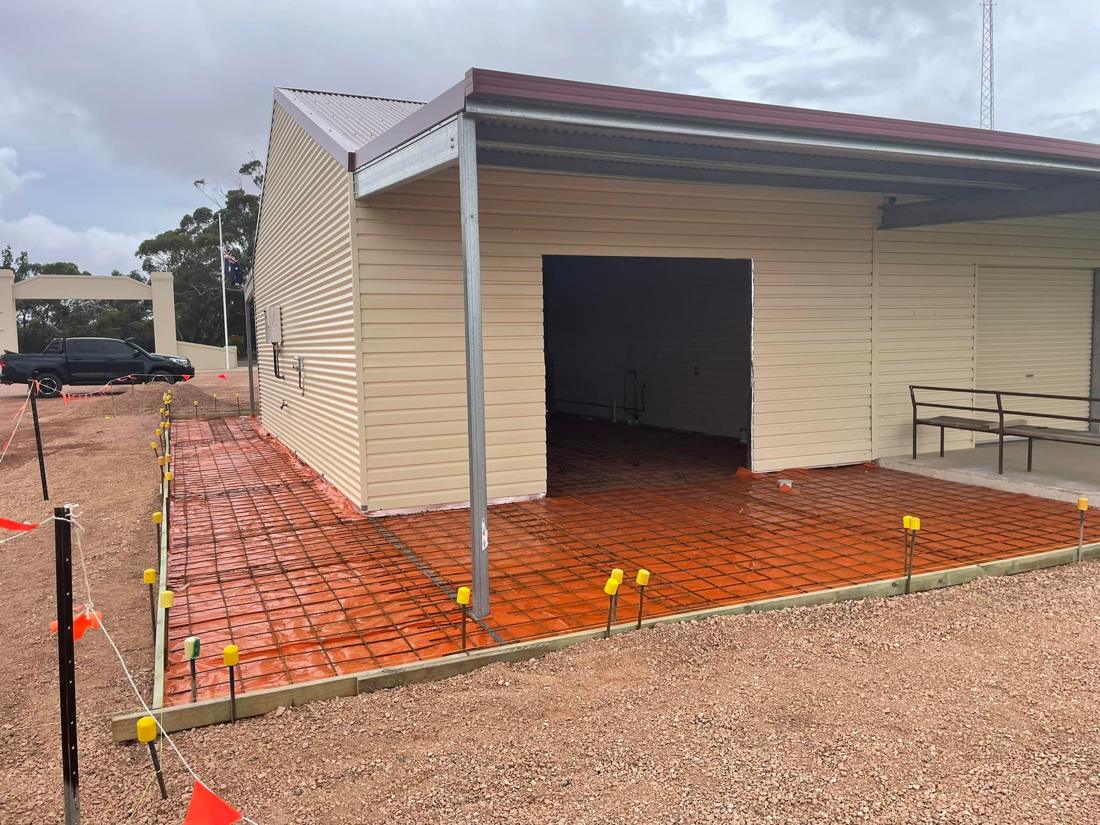
Small sheds can take a shorter path
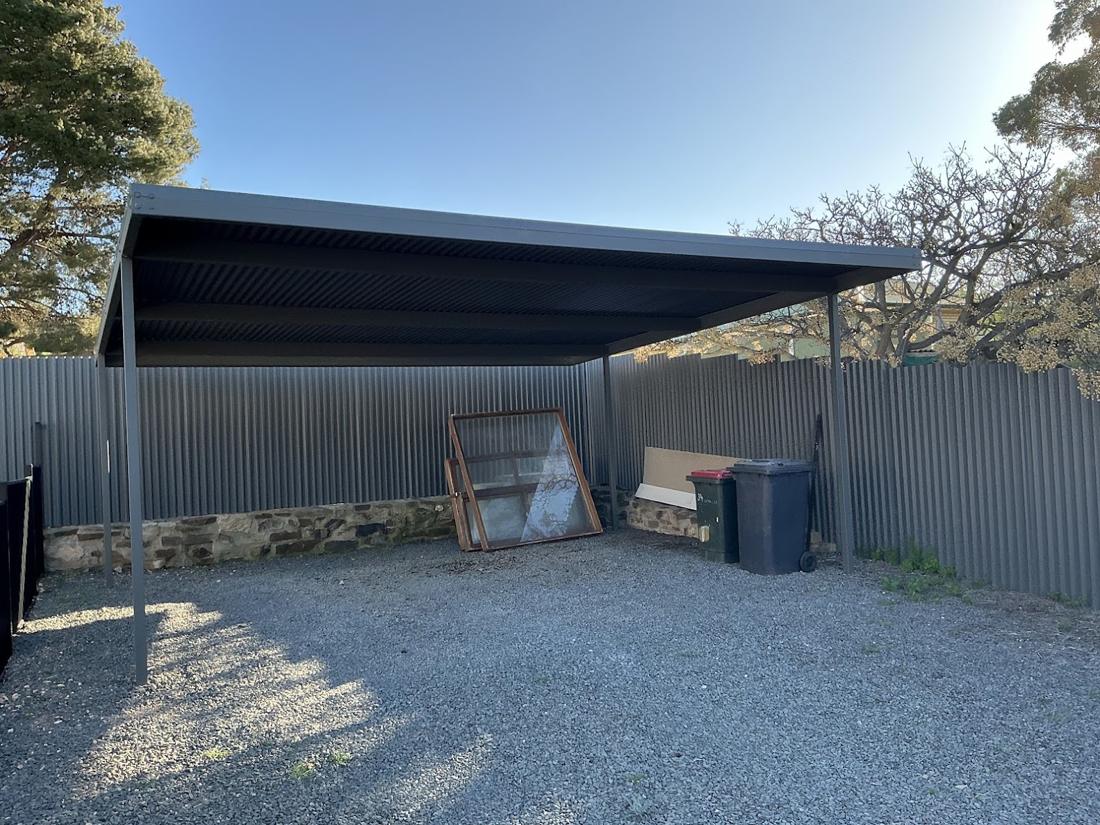
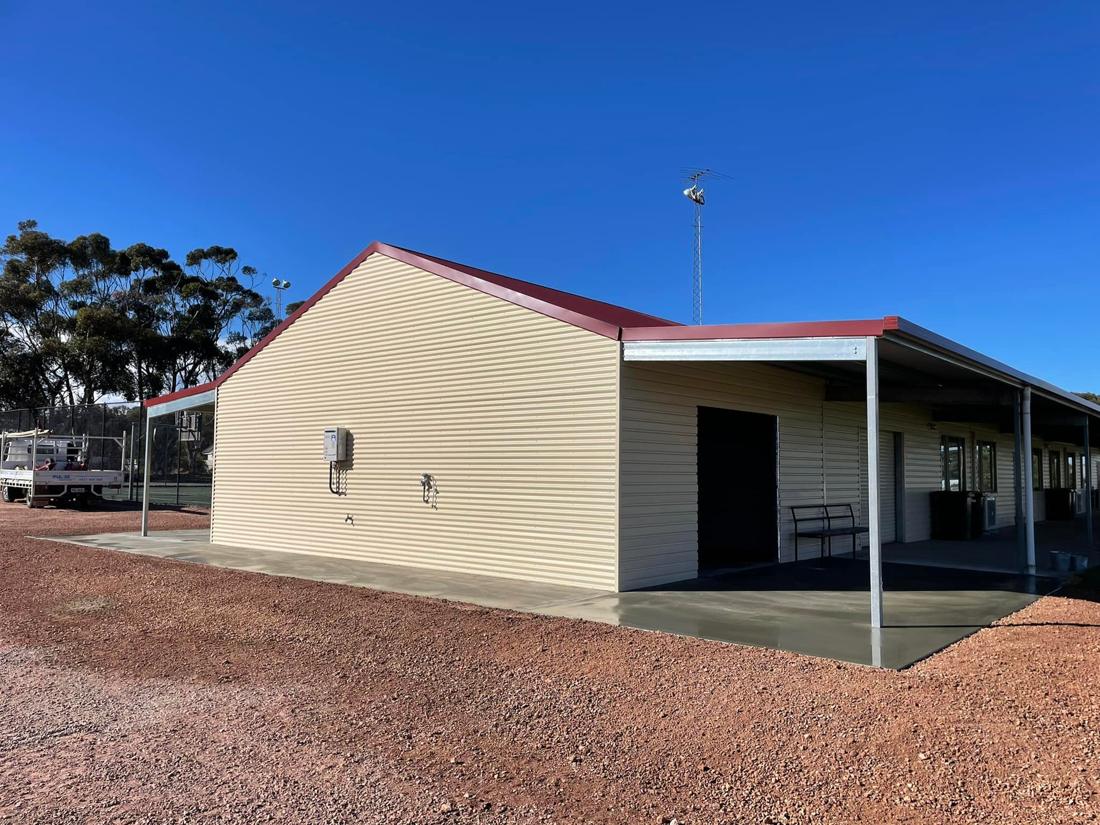
Some sheds and carports fall under accepted development, which means no planning consent is needed and only building rules consent applies. Whether yours does depends on its size and height, how close it sits to boundaries, and the zone and overlays on your land. Heritage areas and flood prone land are common exceptions.
Larger sheds, or sheds on rural, coastal or heritage land, usually need planning consent as well.
What goes into the application
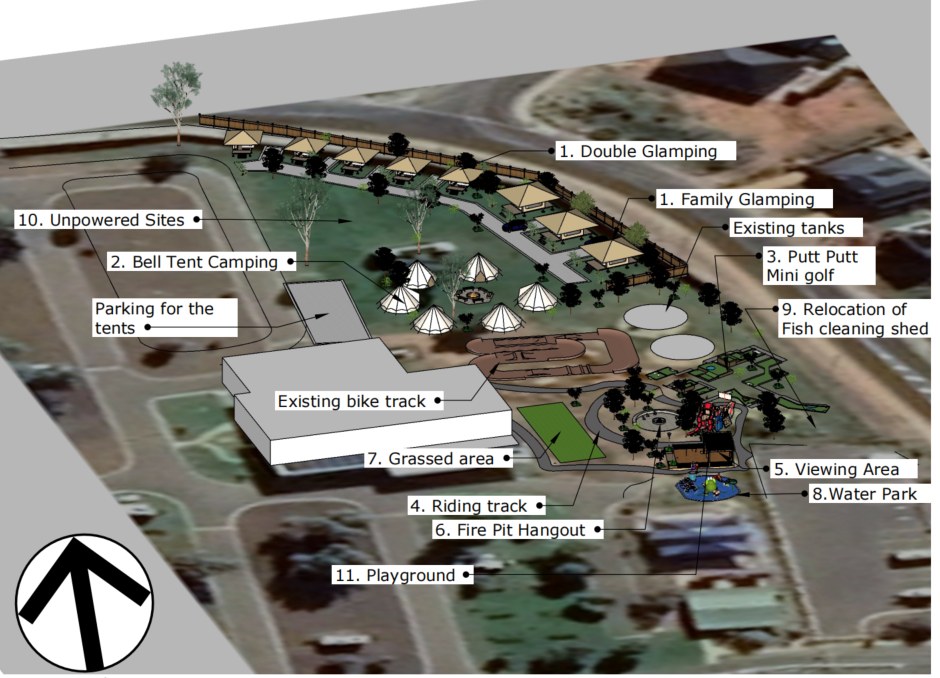
Council and the certifier need to see where the shed sits on the block, so a clear site plan with setbacks from each boundary matters more than anything else. They also need elevations showing wall and roof heights, and the engineering from your shed supplier.
Stormwater is the item most often missed. Showing where the roof water goes saves a request for more information later.
Where we fit in
Most of our shed work comes through local shed suppliers and builders. They supply the kit and the engineering. We prepare the site plan and drawings, lodge the application through PlanSA and answer any questions from council.
If you are buying a shed, ask your supplier whether drawings and approval are included, and who is lodging it.
This is general information for South Australia. Rules vary with the zone and overlays on each block, so check your own site before you rely on it.
Related