 Building Design
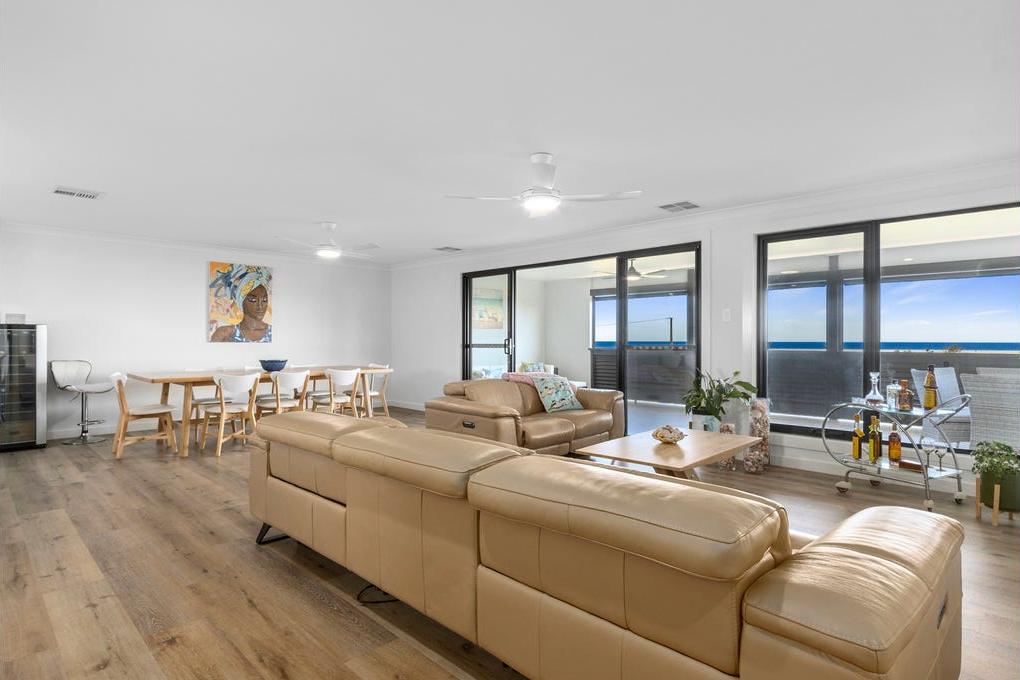
Face the living areas north
In our part of the world the winter sun sits low in the northern sky and the summer sun sits high. Living areas with north facing glass take in winter sun for free warmth. A well sized eave or verandah then shades the same glass in summer.
Keep the heat where you want it
Insulation in the roof, walls and under the floor slows heat moving in or out. Thermal mass, such as a concrete slab or a masonry wall inside the insulated shell, soaks up warmth during the day and releases it at night.
Gaps and leaks undo a lot of good work, so sealing the building well is as important as the insulation itself.
Let the breeze do the cooling
Openings on opposite sides of a room let the evening breeze push hot air out. On the Yorke Peninsula and in the Clare Valley, cool changes arrive most summer nights, and a house that can open up to them needs far less air conditioning.
Decide early
These choices cost little when they are made at concept stage and a great deal to add later. We look at orientation and shading in the first sketches, alongside the energy efficiency requirements that every new home must meet.
This is general information for South Australia. Rules vary with the zone and overlays on each block, so check your own site before you rely on it.
Related